Making Caesarean Sections Safe in Kano: ACEPHAP Showcases First-Year Achievements
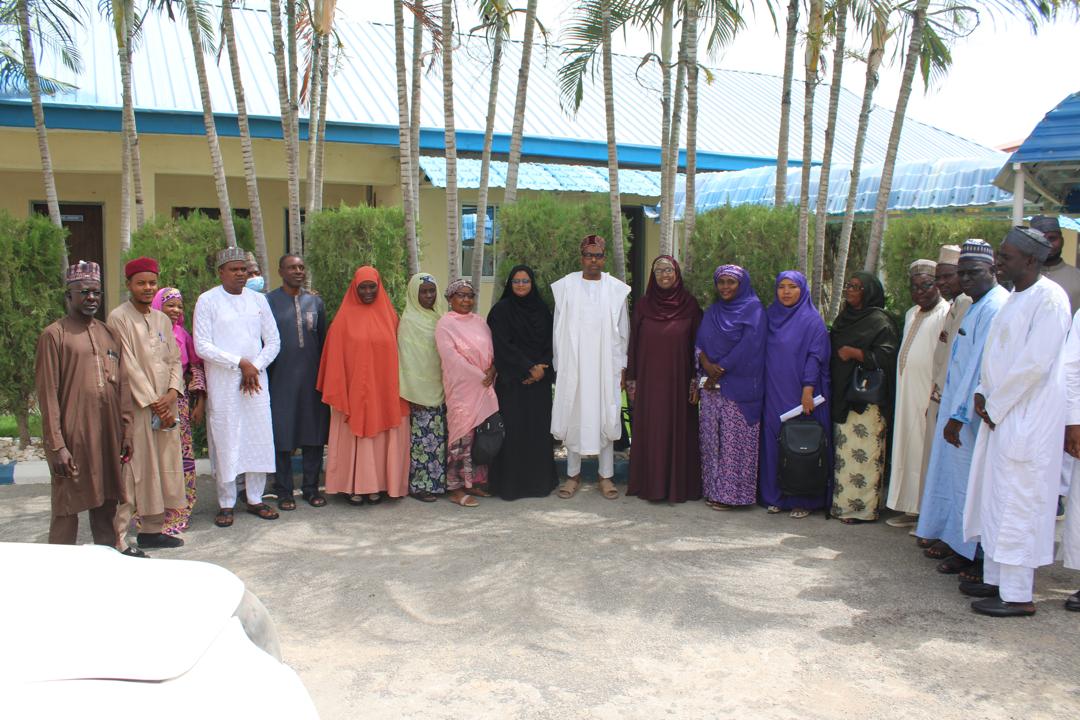
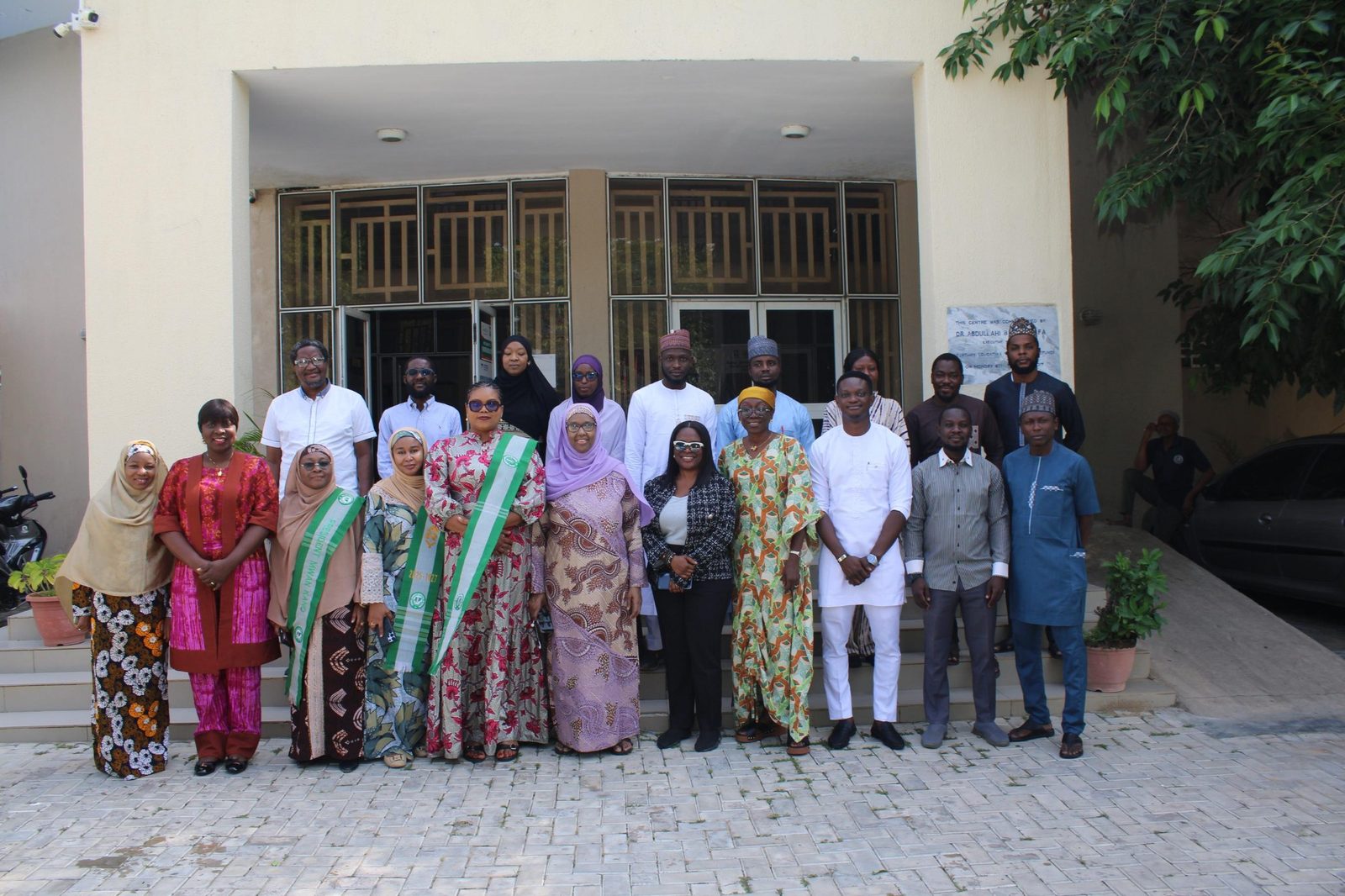
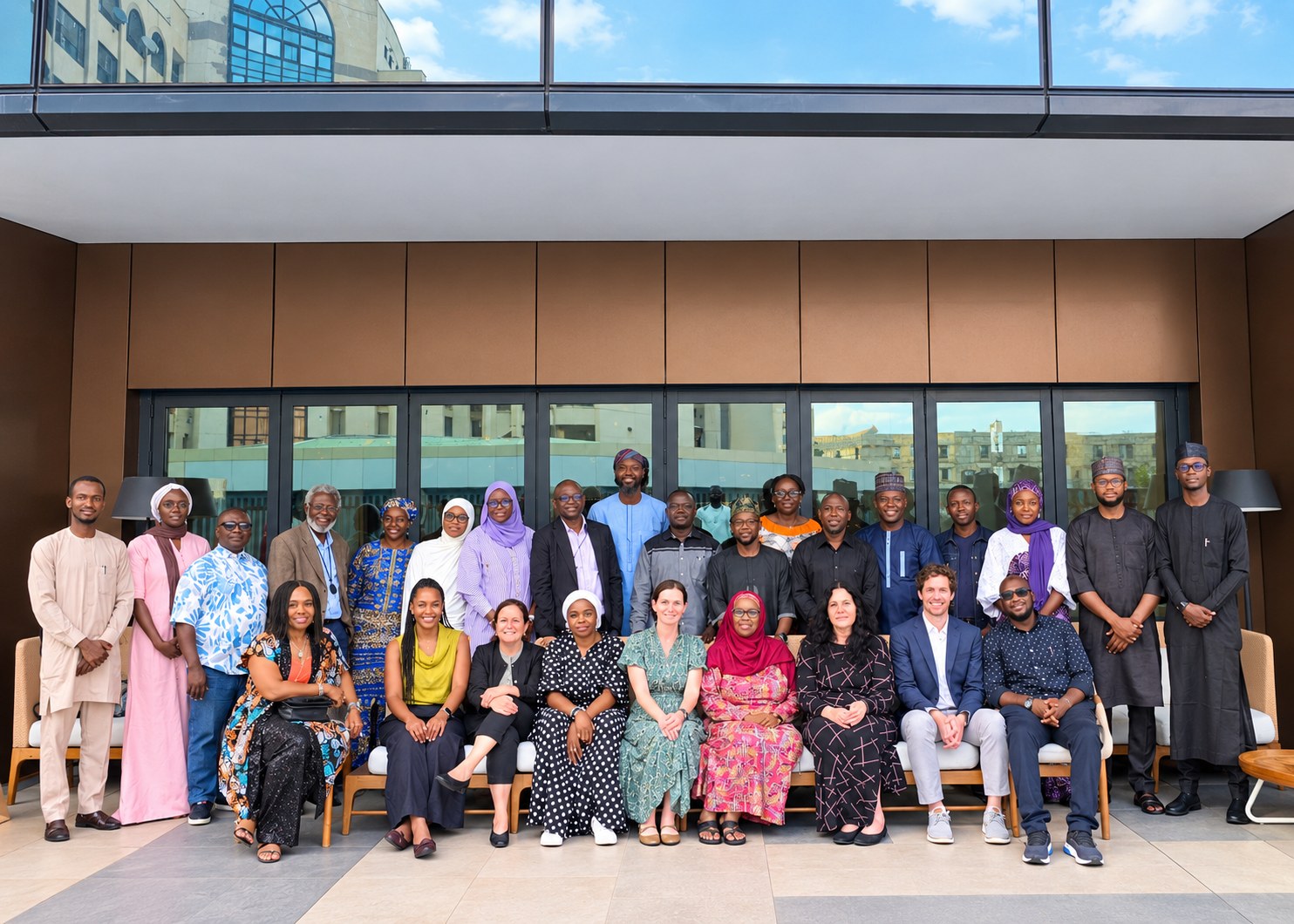
Results of the first year of the Making Caesarean Section Safe in Kano project were officially presented on October 9th, 2026, during a dissemination meeting between ACEPHAP, the Kano State Ministry of Health, and participating healthcare facilities. The findings highlight significant improvements achieved through capacity-building efforts carried out by ACEPHAP in partnership with the Global Surgery Foundation (GSF). These efforts have enabled multidisciplinary hospital teams to provide higher-quality care to patients.
Dr. Maryam Lawal Wada, the Co-PI of the project noted that adherence to the World Health Organization’s Surgical Safety Checklist (SSC) increased from 0% at baseline in June 2025 to 78.4% across 3,358 tracked caesarean sections. In addition, rates of Surgical Site Infections (SSI) dropped from 9.2% to 4.8%.
In his opening remarks, the Kano State Commissioner of Health, Dr. Abubakar Labaran Yusuf, commended Prof. Hadiza Shehu Galadanci, emphasizing her dedication to saving women's lives in Kano, Nigeria, and across Africa. He praised her relentless efforts and support in improving the healthcare system. He noted that the impressive numbers alone speak volumes about the success of the Safe CS project. The commissioner reaffirmed that caesarean sections are life-saving procedures that, when performed correctly, can save many more lives in Kano.
He then directed Mrs. Mansura Yahaya, the MNCH Coordinator at the State Ministry of Health, to ensure that the Safe CS project’s Standard Operating Procedures (SOP) and training curricula are adopted across all secondary and tertiary health facilities in Kano.
Prof. Hadiza Shehu Galadanci, director of ACEPHAP, emphasized that one of the project’s major achievements was the widespread adoption of the Surgical Safety Checklist, which has significantly reduced CS complications. She added that surgeons from other specialties have applauded the checklist and are beginning to incorporate it into their practice. She also announced plans to extend the intervention to Jigawa State later this year.
She also highlighted that the project supplied complete CS sets, drape sets and periodic supply of povidone iodine to all ten facilities. Plumbing works at Sheikh Jidda General Hospital, Sink Installation at Bamalli Nuhu Maternity Hospital. Other supplies include the provision of suction machines, patient monitors, autoclaves, air conditioners and oxygen concentrators were distributed to participating facilities. This is in response to the requests made during the quality improvement plan for all facilities during the leadership training that took place in July at ACEPHAP.
She reported that over 215 healthcare workers had been trained through step-down training sessions. Furthermore, more than 500 healthcare providers have been positively impacted, and 59 individuals received leadership training across various multidisciplinary specialties.
Representatives from participating hospitals expressed their satisfaction with the project, acknowledging the vital support from ACEPHAP, GSF, and the Kano State Ministry of Health. In their various remarks, the hospitals under the study expressed their satisfaction with the ongoing project, the support of ACEPHAP and the commissioner as well as GSF for the successful implementation of the project. The admitted their full commitment towards realizing more successes of the project.
You can join the conversation on:
- Instagram: @acephap_buk
- LinkedIn: @acephap
- Facebook: @acephap
- X/Twitter: @acephap_buk
- Log in to post comments